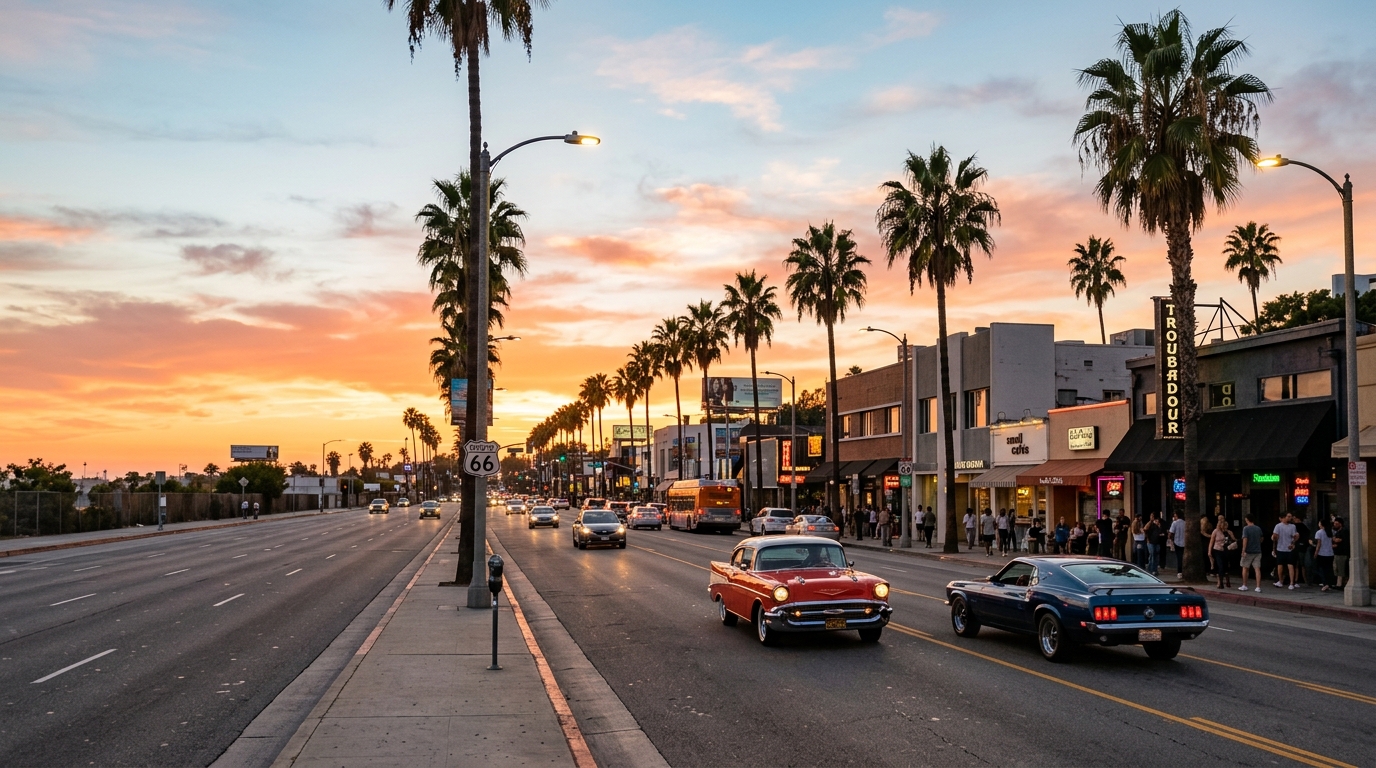
West Hollywood is celebrating a major piece of American road history in 2026 as Route 66 marks its 100th anniversary. For WeHo, the centennial is especially meaningful because historic Route 66 runs directly along Santa Monica Boulevard, one of the city’s most recognizable streets and a central part of everyday local life.
On Sunday, August 16, 2026, the City of West Hollywood will host a free Route 66 Centennial Celebration at Plummer Park. The event brings together classic cars, public art, local history, retro culture, food, music, and a full afternoon of community programming. It is a timely reason for residents and visitors to look at Santa Monica Boulevard not simply as a busy east-west corridor, but as part of one of the most famous roads in the United States.
If you are planning to spend the day in WeHo, this guide explains what is happening, why Route 66 matters locally, and how to turn the celebration into a broader West Hollywood outing.
Why Route 66 Still Matters in West Hollywood
Route 66 was established in 1926 and became one of the defining highways of twentieth-century America, linking Chicago with Southern California. Its California stretch helped shape the mythology of the West Coast road trip, and the road eventually reached the Pacific through Los Angeles County and Santa Monica.
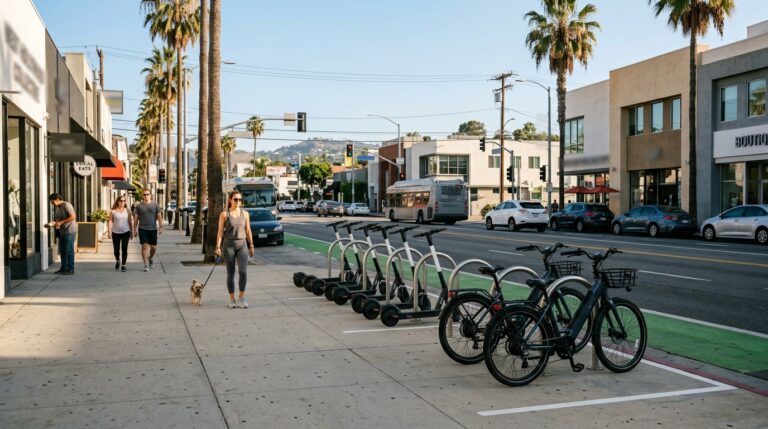
In West Hollywood, the historic alignment follows Santa Monica Boulevard. That makes the Route 66 story unusually visible: people use the same corridor today to reach restaurants, shops, nightlife, parks, neighborhood services, and cultural destinations. The road is not preserved as a distant historic artifact. It remains part of the city’s daily rhythm.
Santa Monica Boulevard’s Route 66 Legacy
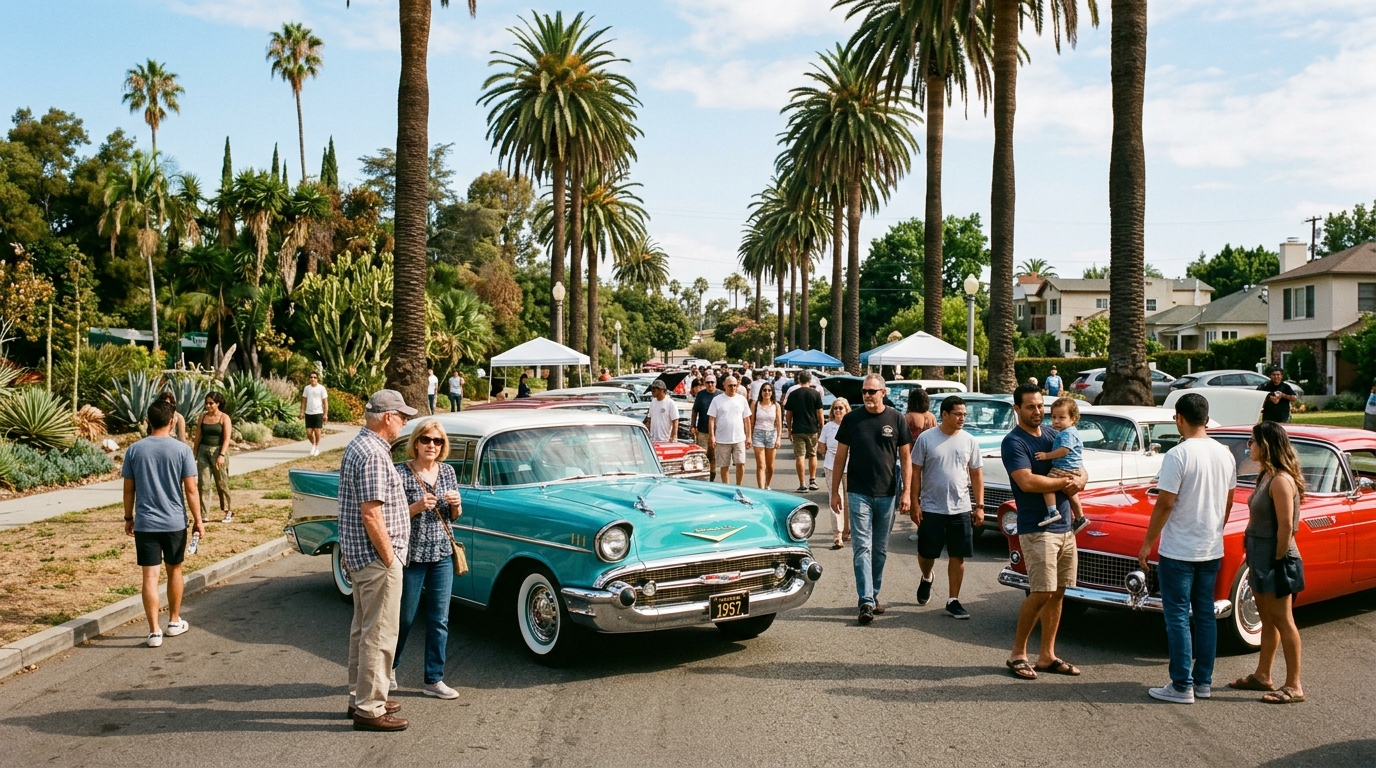
Santa Monica Boulevard functions as one of West Hollywood’s major connectors, cutting through a city known for nightlife, design, dining, LGBTQ+ culture, entertainment, and dense urban neighborhoods. That mix gives WeHo’s Route 66 segment a different personality from the desert highways, roadside motels, and open landscapes often associated with the Mother Road.
Here, the historic highway is urban, active, and constantly changing. A visitor can move from older neighborhood landmarks to modern restaurants, nightlife venues, galleries, and public spaces in a short distance. That contrast between history and reinvention is a big part of why the centennial feels relevant in West Hollywood.
A Main Street with National History
The Route 66 anniversary gives locals a reason to notice details they may normally pass without thinking about them. Santa Monica Boulevard is simultaneously a practical transportation route and a piece of national travel history. The centennial celebration brings those two identities together.
For travelers, the history is easy to experience while walking, dining, shopping, or spending an evening in WeHo. Browse the Welcome to WeHo Directory for nearby places and useful stops.
Centennial Art and New WeHo 66 Signage
One of the most distinctive parts of West Hollywood’s centennial programming is its focus on art. During the August 16 celebration, the city is scheduled to unveil new Route 66 street signage designed specifically for West Hollywood and recognize artists whose Route 66-themed work is being presented along Santa Monica Boulevard.
That approach fits WeHo well. Rather than presenting the anniversary only through nostalgia, the city is connecting the history of the highway with contemporary public art and design. It creates a visual layer that can continue to shape how people experience the boulevard after the main celebration is over.
Visitors interested in architecture and street photography should allow extra time to explore the corridor, where signage, public art, palm-lined streets, and varied architecture add a strong visual dimension to the centennial.
What the Centennial Adds to Local Life
The August 16 program is not structured like a formal history lecture. It is a community day built around multiple experiences, which makes it accessible even if you are not already a Route 66 enthusiast. Classic vehicles bring the road-trip era to life, while art, music, food, and local programming connect the anniversary to present-day West Hollywood.
Route 66 carries enormous nostalgic value, but West Hollywood keeps evolving through dining, creative businesses, hospitality, and nightlife. The centennial works well as a bridge between those eras.
Free Events at Plummer Park
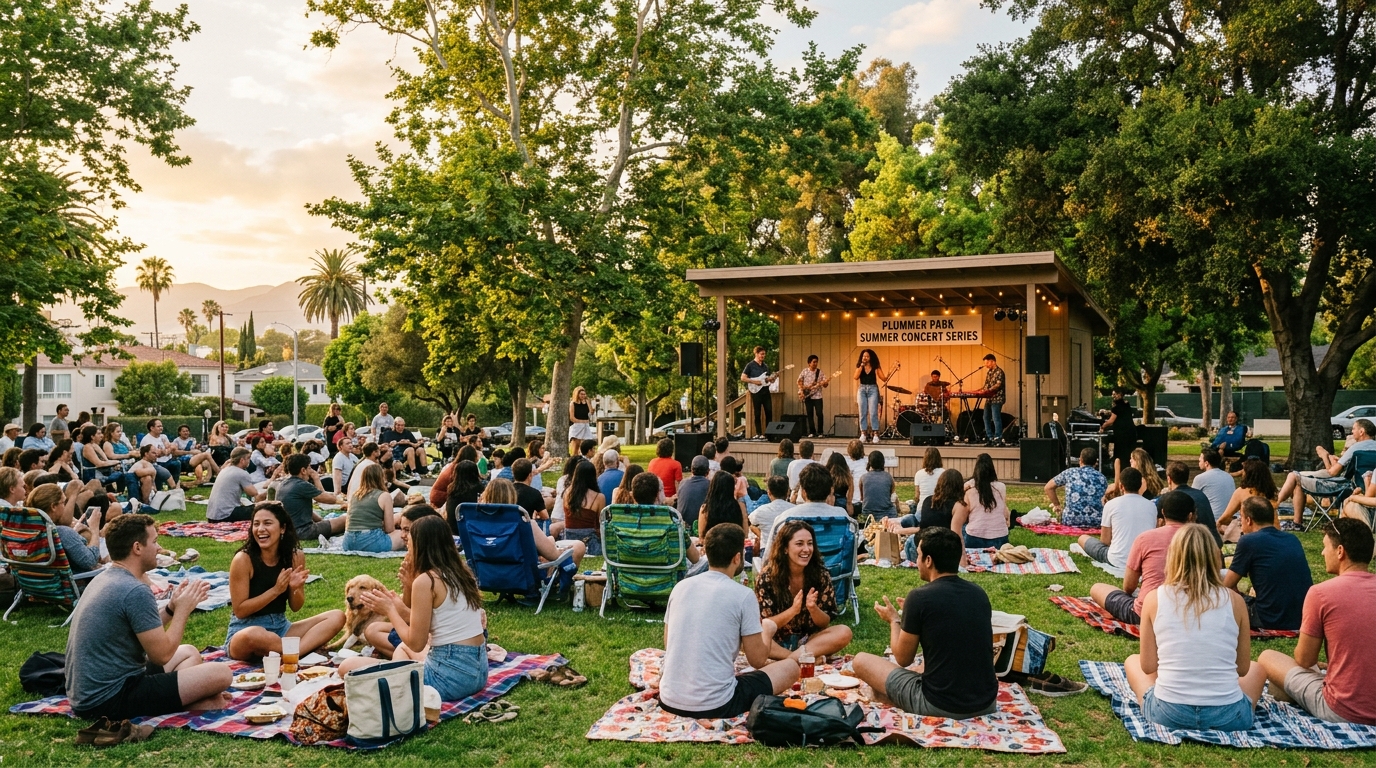
The celebration begins with a classic car show in the South Parking Lot at Plummer Park from 10 a.m. to 1 p.m. Expect vintage automobiles and custom vehicles that reflect different periods of American car culture. A special program at 11:30 a.m. is scheduled to highlight the new WeHo 66 signage and Route 66-themed artworks.
From noon to 2 p.m., pop-culture historian Charles Phoenix is scheduled to present “LOS ANGELESLAND” in Fiesta Hall. The presentation is designed around Southern California history, roadside attractions, classic cars, and retro visual culture, making it a natural companion to the centennial celebration.
The city’s official Route 66 Centennial Celebration page is the best place to check the latest schedule before attending. Event details can change, so confirm timing and logistics close to your visit.
How to Plan Your Route 66 Day in WeHo
A strong Route 66 day in West Hollywood does not have to end when the car show closes. The location of Plummer Park makes it easy to combine the official celebration with food, neighborhood exploration, and an evening activity.
Because August weekends can be busy, avoid packing in too many distant stops. A focused itinerary along Santa Monica Boulevard can feel more relaxed and gives you a better sense of the city.
A Simple Itinerary for August 16
Start the morning at Plummer Park so you have time to see the classic cars before the show ends at 1 p.m. Arriving earlier also gives you more flexibility to walk through the event, take photos, and be in place for the 11:30 a.m. signage and art program.
After the car show, choose between the Charles Phoenix presentation or a lunch break nearby. West Hollywood has a wide range of choices, from casual cafes to destination dining. Browse our Eat & Drink section for ideas that fit your schedule and budget.
In the mid-afternoon, use the gap before the evening concert to explore more of Santa Monica Boulevard. You can walk a section of the historic Route 66 alignment, stop for coffee, visit a local shop, or head toward another part of WeHo. If you prefer some green space, see our Parks & Outdoor section for more local options.
For a simple plan, consider:
- 10:00 a.m. — Arrive at Plummer Park and explore the classic car show.
- 11:30 a.m. — Watch the WeHo 66 signage and public-art recognition program.
- 12:00 p.m. — Attend “LOS ANGELESLAND” or take a lunch break nearby.
- 2:00–4:00 p.m. — Explore Santa Monica Boulevard, local shops, cafes, or parks.
- 4:00 p.m. — Return to Plummer Park for the Summer Sounds finale.
- After 6:30 p.m. — Continue with dinner or explore West Hollywood nightlife.
Stay for the Summer Sounds Finale
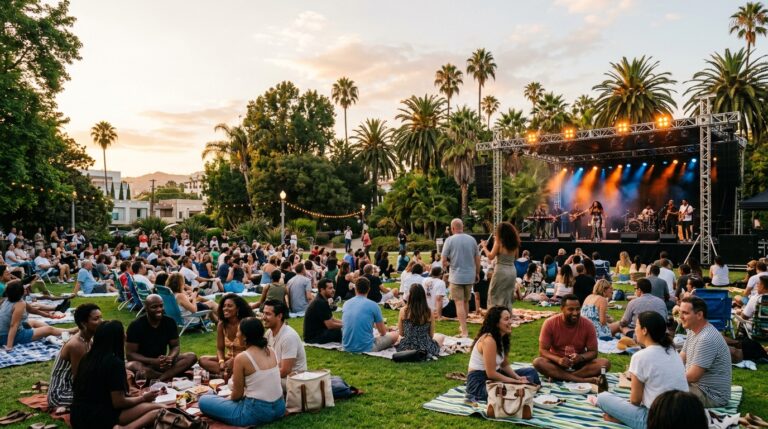
The centennial day continues at 4 p.m. with the final performance in West Hollywood’s 2026 Summer Sounds free outdoor concert series. The scheduled lineup includes The Soul Space featuring Tamara Jade and Orlando Dixon, Mark Evich, and DJ RoseGawd, bringing R&B, funk, soul, and DJ-driven music to Plummer Park.
The concert is scheduled to run until 6:30 p.m., giving visitors an easy transition from daytime Route 66 programming into an early evening in WeHo. Bring a blanket or low chair if you plan to settle in for the show, and remember that food is expected to be available for purchase during the city programming.
After the concert, West Hollywood offers plenty of ways to keep the day going. You could head for dinner, find a cocktail bar, catch live entertainment, or explore the city’s well-known nighttime scene. Our Nightlife section can help you decide where to go next.
The Route 66
The Route 66 Centennial Celebration highlights a story already embedded in West Hollywood’s streets. A century after Route 66 was created, Santa Monica Boulevard still moves people through the city while taking on new identities.
For locals, the anniversary is a chance to look at a familiar boulevard differently. For visitors, it is an opportunity to connect a famous American road trip with the contemporary culture of West Hollywood. And for anyone building a WeHo itinerary, August 16 offers a rare combination of classic cars, public art, local history, outdoor music, dining, and nightlife in one compact part of the city.
Whether you come for the cars, the art, the retro history, the concert, or simply a day out in the neighborhood, the centennial provides a strong starting point for discovering more of West Hollywood. Check the official city schedule before you go, then leave enough room in your plans to explore beyond the event itself.